
8 Trex Decking Problems
Trex decking is one of the biggest names in the world of composite decks. It’s low maintenance, lasts way longer than wood, and has a clean, polished look. Sounds perfect, right?
Well, not quite. While Trex has a lot going for it, it’s not free of issues.
If you’re thinking about installing it (or already have it) there are a few things to know before you get too cozy on that deck chair.
In this post, we’ll go over some of the most common Trex decking problems. Nothing here is meant to scare you off. It’s just the kind of stuff that helps you know what you’re getting into. And maybe save a few headaches down the road.
#1. Fading And Discoloration
Let’s start with what’s probably the most common complaint: fading.
Fading and discoloration was super common with older Trex decking (the stuff made before 2010). Even the newer generations, which hold color better, can still get a little washed out after a few years in the sun.
It’s not always even, either. Some boards fade faster than others. You might also notice weird light patches or slightly different tones from one plank to another.
This usually shows up more with darker colors, especially in areas with lots of sunlight.
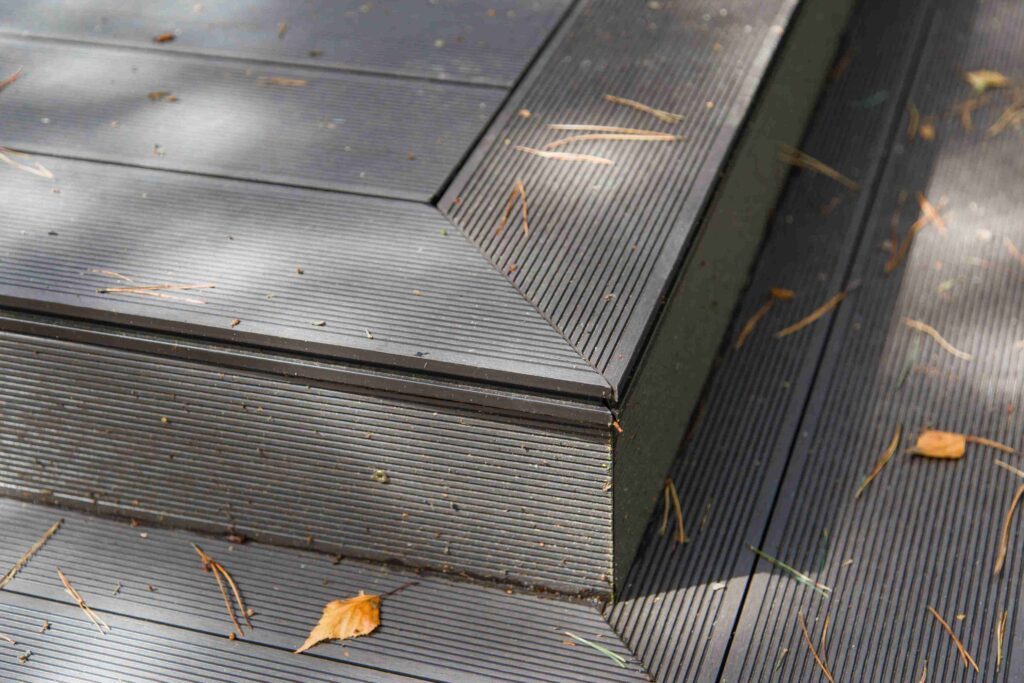
And it’s not just UV rays that cause trouble – food, drinks, sunscreen, and pollen can all leave behind spots or stains that mess with the color.
If you’re dreaming of a deck that looks freshly installed forever, just know that Trex still ages a bit just like everything else outdoors.
Also Check Out Our: Twin Cities Deck Building Services
#2. Mold, Mildew, And Stains
Trex decking may be called “low maintenance,” but that doesn’t mean “no maintenance.”
One issue people don’t always see coming is mold and mildew buildup, especially in damp or shady spots. Since Trex contains wood fibers, it can still feed mold under the right conditions.
You’ll usually find it:
- Under flower pots
- Near downspouts or gutter drips
- Between boards where leaves and debris settle
Even though the surface doesn’t absorb moisture the way wood does, stuff can still grow on top or in tiny crevices. A little soap and water can help, but it takes regular cleaning to stay ahead.
And if you let it sit too long, the green or black stains can be a pain to get out completely.
#3. Scratching And Surface Wear
Trex is tough, but not invincible.
Scratches are definitely possible. Dragging furniture across it? That’ll probably leave marks. Dropping tools or pushing something heavy across the surface? Same deal.
The lighter colors tend to hide scratches better than the darker ones.
But if your deck is a high-traffic zone (pets, kids, parties) expect to see a few scuffs over time.
Trex doesn’t sand like wood, so if something leaves a deep gouge, you can’t just fix it with a quick sanding. You’re stuck with it, or you’ll need to swap out the board.
Pro tip: Use furniture pads, or just lift instead of dragging.
Also Read: How much does a deck cost in Minnesota?
#4. Heat Retention
Ever tried walking across your Trex deck barefoot in the middle of July?
If so, you already know how hot it can get. Composite decking, especially in darker shades, gets really warm under the sun. Sometimes even hotter than wood.
This can be a major downside if you live somewhere sunny and love going barefoot outside.
People with dogs especially complain about it because their pets don’t want to walk on it in the summer heat. And once that heat builds up, it stays warm for a while.
Here are some ways to deal with this:
- Choose a lighter color board if possible
- Add a rug or shade canopy
- Hose it down before walking on it
It’s not a dealbreaker, but it’s definitely something to think about if you’re designing a pool deck or wide-open patio.
#5. It’s Expensive
No way around it – Trex costs more than wood. Plus, you’re going to pay quite a bit more for materials and probably a bit more for installation, too.
Now, to be fair, Trex pays off long-term by cutting down on maintenance costs. You won’t need to stain it every year or worry about termites.
But for some homeowners, the higher price doesn’t feel totally worth it, especially if they run into any of the other issues mentioned here.
You also can’t forget about the cost of add-ons. Hidden fasteners, fascia boards, matching railings – it all adds up fast.
If you’re planning on going full Trex, make sure the budget can handle it.
#6. Expansion And Contraction
Composite decking doesn’t just sit still. It moves.
Temperature swings can cause Trex boards to expand or contract. This is totally normal, but it can lead to some annoying issues if not installed properly.
You might see:
- Small gaps appear or close up depending on the weather
- Boards slightly shift out of alignment
- Fasteners loosen over time
That’s why proper spacing and installation are so important with Trex.
If a contractor doesn’t leave enough room for the boards to move, things can start to warp, twist, or buckle. Even when installed correctly, you might still notice a little shifting with the seasons.
#7. Chalking Or Flaking (Rare)
This one doesn’t happen often, but when it does, it’s super frustrating.
Some people report a chalky white film or light flaking on the surface of their deck. This usually happens with older Trex models or when someone uses a harsh cleaner not meant for composites.
It’s cosmetic, but it makes the deck look weathered or dusty no matter how much you clean.
Trex says this kind of issue shouldn’t happen with their newer boards, and that’s mostly true. Still, if you’re cleaning your deck, stick with approved products just to be safe.
Also Read: 8 Reasons Why James Hardie Siding Is Worth It
#8. Difficult Repairs
This might be the most frustrating Trex decking problem of all.
If a Trex board gets damaged (cracked, warped, or deeply scratched) there’s no easy fix. You can’t sand it, stain it, or repair it like you would with wood.
The only real solution is to replace the board.
And that’s easier said than done. By the time you’re swapping out a damaged board, your deck has probably aged a bit. That means the new board won’t match the old ones.
This happens even if it’s technically the same product and color, because sun and weather exposure will have changed the original color.
So now you’ve got a shiny new plank in the middle of your faded deck. And unless you’re willing to replace more boards or rearrange them, it’ll probably stand out.
Why Trex Decks Are Still Great Despite These Problems
Trex is still one of the most popular decking choices for a reason. It has plenty of strengths that keep people coming back, even with a few quirks.
For starters, you don’t have to stain, seal, or paint it. That alone saves a ton of time (and money) year after year. Wood might be cheaper upfront, but by the time you’ve pressure washed, sanded, and stained it three times, you’re wishing you’d gone composite from the start.
Trex also doesn’t rot. It won’t attract termites or splinter like wood. So once it’s in, you can mostly forget about it. Just give it a quick sweep and rinse now and then, and you’re good.
Plus, the newer lines (like Trex Transcend) look really sharp too.
They’ve come a long way from the older stuff. You get realistic wood grain, cool color options, and hidden fasteners that give it a clean, modern finish. If you’re building an outdoor space you want to show off a little, Trex delivers.
So yes, it’s not flawless. But it does a solid job of giving you a beautiful, low-hassle deck that holds up well over time.
Bottom Line
A Trex deck can be a great investment, but it’s not perfect. It can fade. It can scratch. It can grow mold or get hot enough to cook your feet in July. Plus, the price is high, and repairs can be tricky.
But most of these problems are manageable if you go into it with open eyes.
If you’re expecting a zero-maintenance deck that stays flawless forever, you might feel let down. But if you’re okay with a few quirks, Trex can still be a solid choice. It looks good, lasts a long time, and saves you from sanding and staining every year.
Just keep it clean, treat it gently, and try not to drag your grill across it. That’s a good start.


