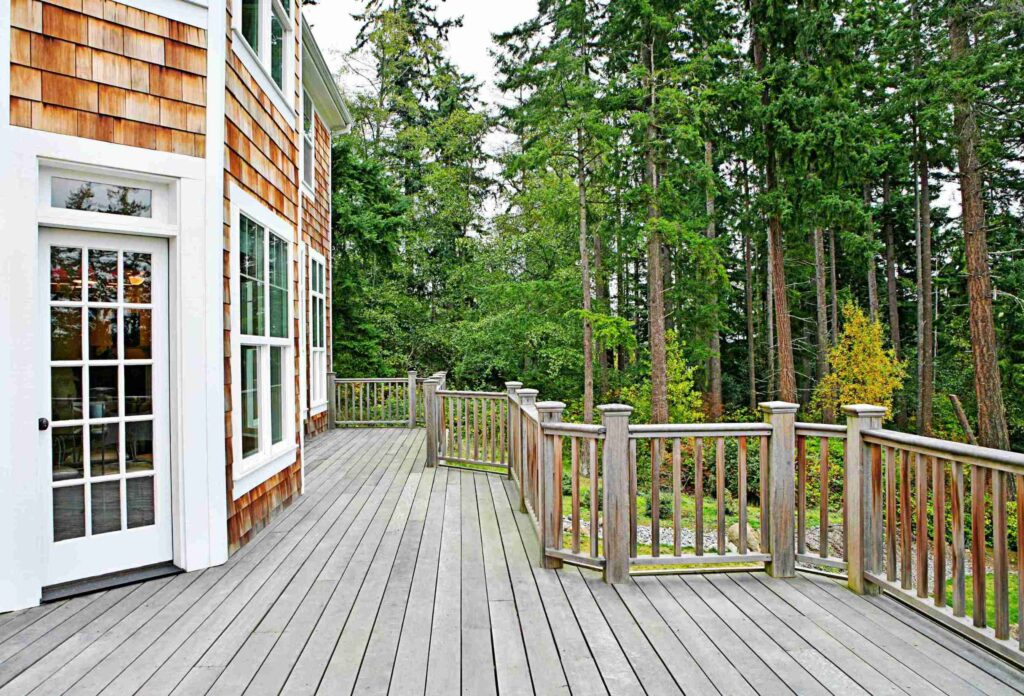
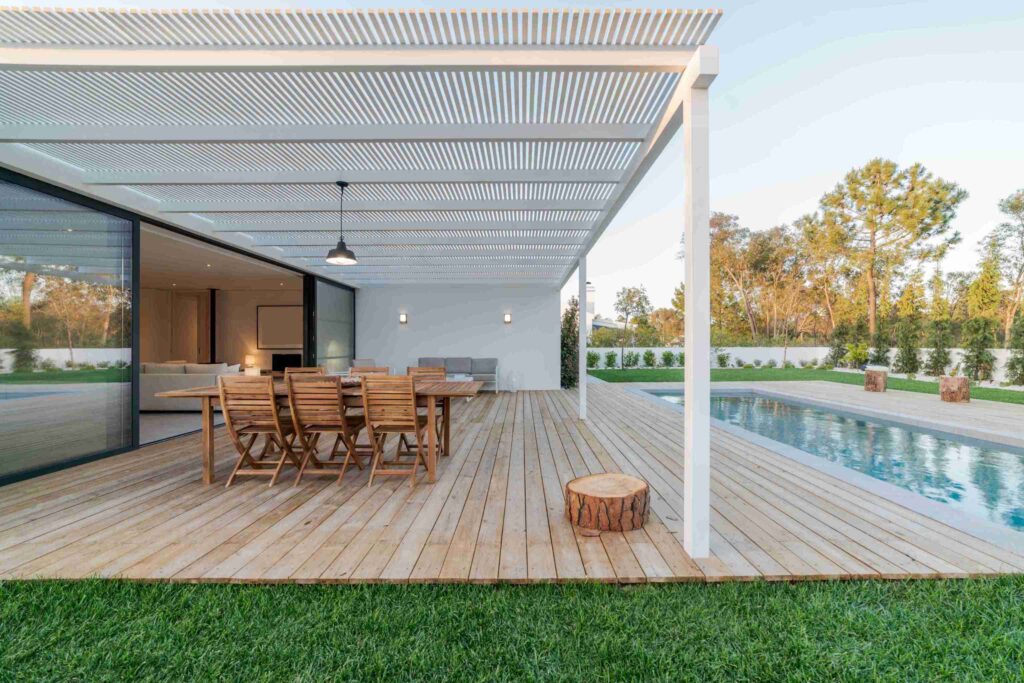
How Much Does A 14×20 Deck Cost? (Breakdown)

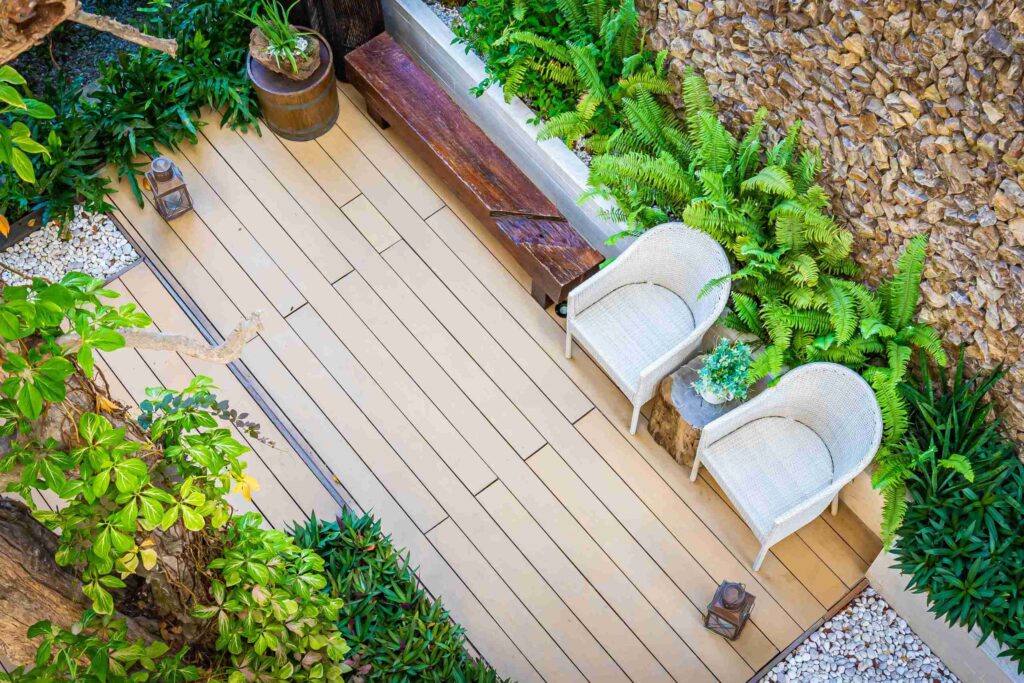
Thinking about adding a deck to your home? A 14×20 deck is a sweet spot for a lot of people. It’s big enough for a grill, a table, and some chairs without swallowing your whole yard. 

But before you start daydreaming about summer cookouts, you probably want to know the big question: how much is this going to cost?

It depends on materials, labor, and a handful of extra details that sneak into the budget.

In this post, we’ll break down the average 14×20 deck cost, and the factors that affect the final price.

Average 14×20 Deck Costs

A 14×20 deck costs around $8,500 to $20,000 depending on how it’s made.

A 14×20 deck gives you about 280 square feet of outdoor space. In the U.S., decks usually fall in a range of about $30 to $60 per square foot installed. 

Do some quick math and you’re looking at something like $8,500 on the low end to $16,800 on the higher side.

That’s just a ballpark. If you go with high-end composite boards, fancy railings, or built-in extras, the price can push well over $20,000. On the other hand, a simple pressure-treated wood deck with no frills could be closer to $7,500 to $9,500.

So, think of that range as a starting point. The real number depends on the details you choose.
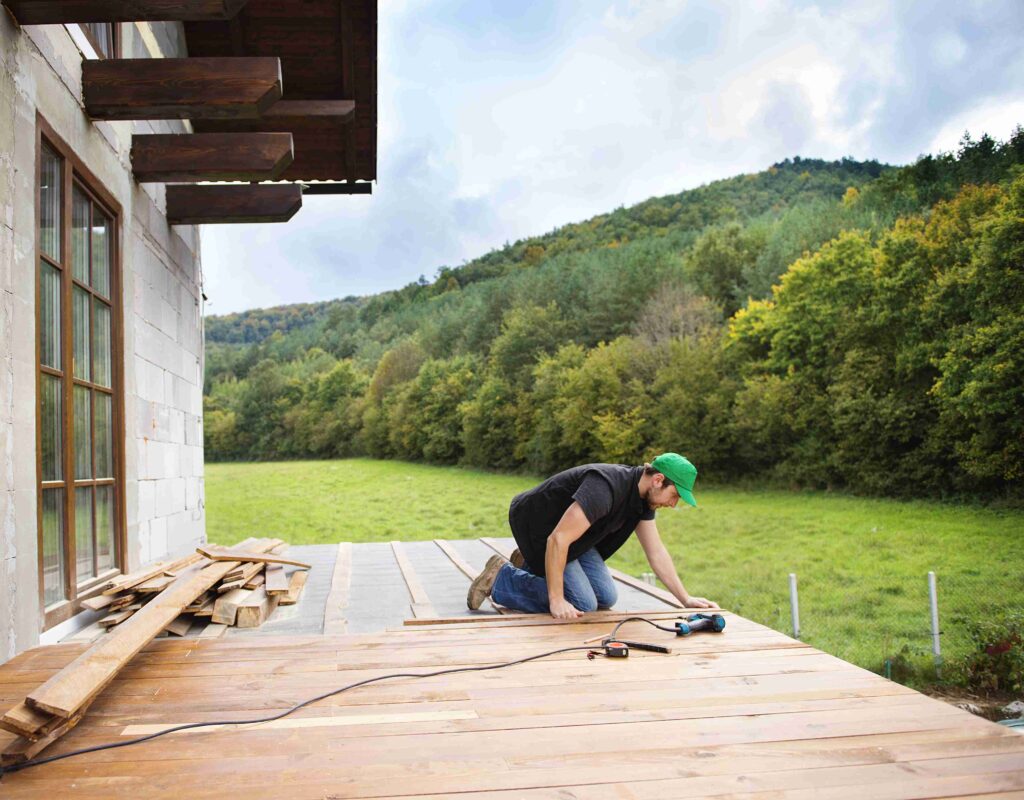
Average 14x20 Deck Cost

Also Read: How Much Does A Deck Cost In Minnesota?

Factors That Affect The Cost Of A 14×20 Deck

The cost of a 14×20 deck comes down to a handful of main factors. Each one pushes the price up or down depending on the choices you make. Let’s go over the main factors:

#1 Material

Material choice is usually the single biggest factor in your deck budget. Here’s a look the prices:

Material TypeAvg Cost Per Sq FtNotes
Pressure-Treated Wood$15 – $25Affordable, needs regular sealing/staining
Cedar / Redwood$25 – $35Natural resistance, mid-range price
Composite Decking$30 – $45Low maintenance, wide variety of styles
PVC / Vinyl$35 – $55Very durable, resistant to moisture
Exotic Hardwoods (Ipe)$40 – $60+Premium look and durability, labor-intensive

#2 Labor And Contractor Rates

Labor often matches or even exceeds material costs. 

A skilled crew can charge anywhere from $15 to $35 per square foot, depending on where you live and the project’s complexity. If you live in a high-cost area, expect rates to lean toward the higher side.

It’s not just about putting boards down. Contractors have to dig and pour footings, frame the structure, handle railing systems, and ensure everything meets building codes. 

All of that takes time and skill. 

The more complex the design, the longer it takes, and the higher the labor bill.

Also Read: Can You Paint Hardie Board?

#3 How Complex The Design Is

The design can take a straightforward deck and double its price. 

A plain 14×20 rectangle with no frills is the cheapest setup. Add curves, multiple levels, built-in benches, or planters, and you’ll see costs rise. Even choosing to lay boards diagonally instead of straight adds more waste and extra time.

The same goes for railing choices. A simple wood railing is budget-friendly. Metal, glass, or cable railing systems look amazing but cost a lot more. 

Every “upgrade” adds to both material and labor bills.

Think of it this way: the more custom the design, the more your deck becomes a project instead of just a platform.

#4 Foundation And Site Prep

What’s underneath your deck is just as important as what’s on top. 

Every deck needs a strong foundation, usually poured concrete footings. If your yard is flat, this is fairly straightforward. But if the ground is sloped, rocky, or soft, things get tricky.

Extra digging, grading, or support posts can add thousands to the final price. 

Elevated decks or ones built over uneven ground require stronger framing and more engineering. Even soil conditions matter – clay, sand, or loose soil all change how deep or wide your footings need to be.

This part of the project isn’t visible once the deck is built, but it’s critical for safety and durability. 
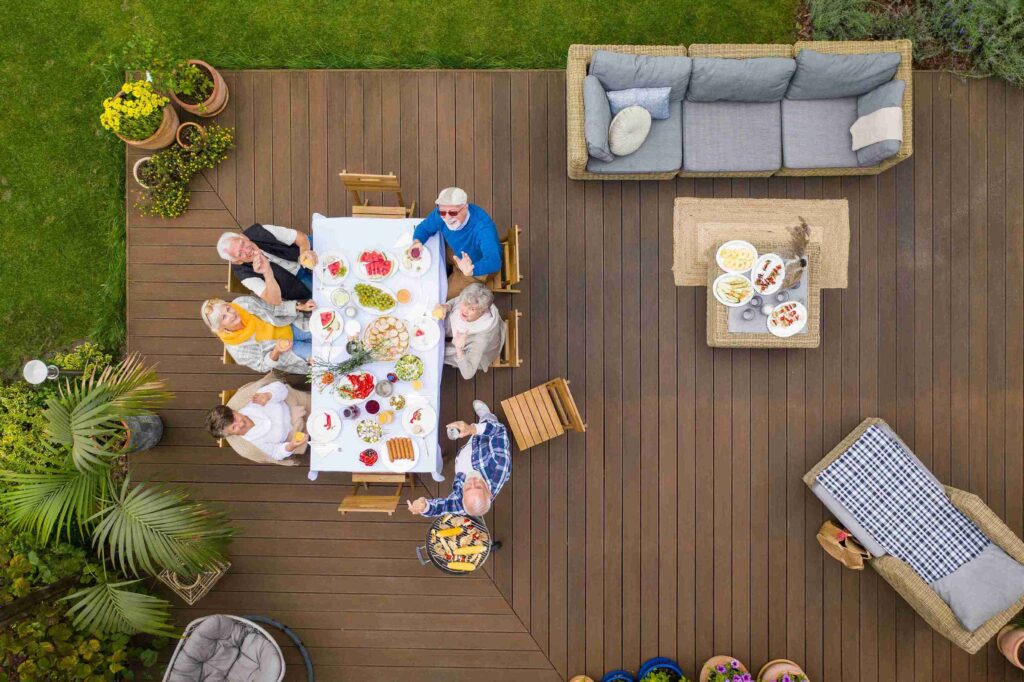
Factors That Affect The Cost Of A 14x20 Deck

Cutting corners here can cost way more down the line.

Also Read: 2×6 Vs 5/4 Decking

#5 Permits And Inspections

Permits are one of those hidden costs people forget about until they’re hit with the bill. 

Most cities or counties require a permit for any deck over a certain height or size. Fees usually fall between $100 and $500, though some areas charge more.

Once construction starts, inspectors may come out to check the footings, framing, and final build. These steps are there to make sure the deck is safe and built to code. 

Skipping them can lead to fines or problems when selling your home later.

Contractors usually handle permits and inspections for you, but they’ll roll the cost into their estimate.

Additional Costs To Consider

Even if you’ve priced out materials and labor, a few extra things can sneak into your budget. Keep these in mind:

  • Railings
  • Stairs
  • Lighting
  • Skirting or fascia boards
  • Furniture and decor

Don’t forget about long-term maintenance. 

Wood decks need to be sealed or stained every couple of years. That’s extra time and money. Composite doesn’t need that, but the upfront hit is higher. 

Either way, your deck isn’t a set-it-and-forget-it project.

DIY Vs Hiring A Contractor

Building a deck yourself can save a lot of cash.

Material costs stay the same, but you skip the labor charges. For a 14×20 deck, that could mean saving ten grand or more.

But here’s the catch. Decks aren’t just about laying boards. You need to know how to set posts, pour footings, and make sure everything is square and safe.

Also Read: Rain On Deck After Staining

Mistakes can cost more down the road than just hiring a pro in the first place.

A contractor also knows local codes and how to get permits squared away. They’ll usually finish faster too. DIY can take weeks of weekends, while a crew might wrap it up in under a week.

If you’re handy and confident, DIY is an option. If not, paying for peace of mind and quality might be the smarter route.

Bottom Line

A 14×20 deck usually falls in the range of $8,500 to $20,000 for most homeowners, with plenty of wiggle room depending on materials, design, and extras. 

The price you pay depends on how fancy you get with the design, how tricky the yard is, and if you hire pros or go the DIY route. 

Add in extras like railings, lighting, or a pergola, and the budget climbs higher.

At the end of the day, the best way to nail down your number is to get a few local quotes. That gives you a clear picture of what your dream deck will really cost in your area. 

Then you can plan, budget, and get ready to enjoy that perfect outdoor space.

Rain On Deck After Staining? (Here’s What To Do)

You finally did it – you set aside a whole day, rolled up your sleeves, and gave your deck that fresh, beautiful coat of stain it desperately needed. 

You step back to admire your work, maybe even snap a quick photo for bragging rights. 

And then… those dreaded raindrops start falling.

If that sounds familiar, don’t panic. You’re not the first person this has happened to, and your deck isn’t ruined forever. Rain on a freshly stained deck is annoying, but it’s usually fixable.

In this post, we’ll show you what to do if you get rain on deck after staining.

How Does Rain Affect A Fresh Stain?

Fresh stains need time to soak into the wood and cure properly. When rain falls too soon, it interrupts that process.

Rainwater can basically push the stain around before it’s had a chance to settle. Instead of soaking in evenly, the water creates little rivers, puddles, or light patches. 

The result? A blotchy, uneven finish that doesn’t look quite right. 

In some cases, it even leaves behind shiny or sticky spots that refuse to dry like the rest of the deck.

It all comes down to timing. A deck that’s had enough hours to drink in the stain can shrug off a little rain. One that just got coated a few minutes ago? That’s where problems start to show.

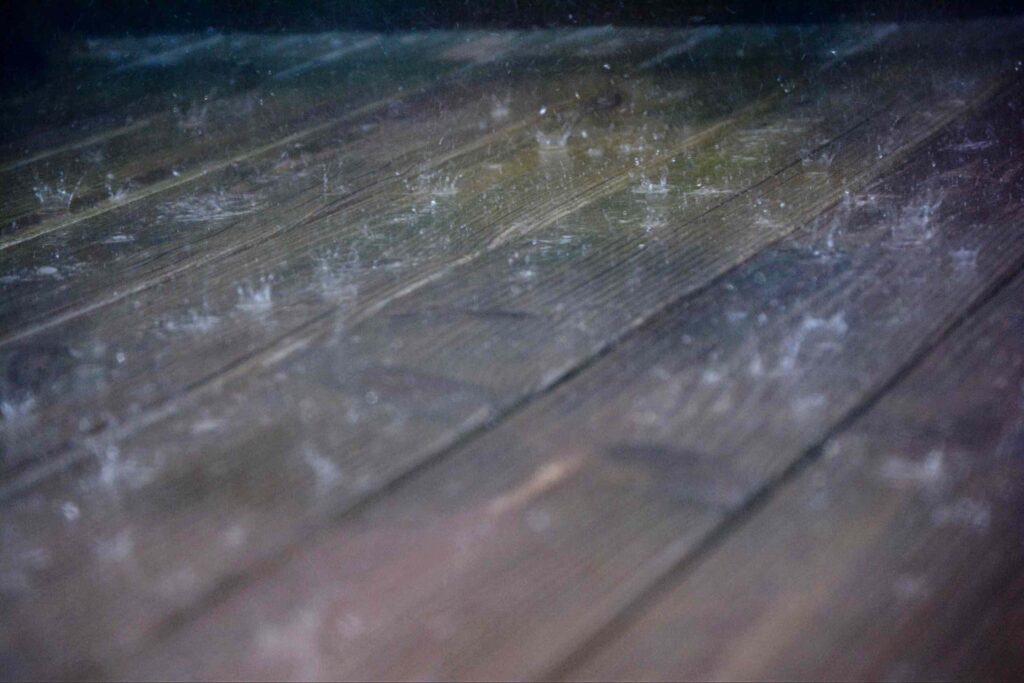
How Does Rain Affect A Fresh Stain

Also Read: How Much Does A Deck Cost In Minnesota?

How Soon Did The Rain Hit?

The answer to this question usually determines how much trouble you’re dealing with. 

Timing really is everything.

If the rain shows up within the first hour or two, that’s the worst-case scenario. 

The stain hasn’t had time to soak in, so you might find streaks, washed-out patches, or even spots where the wood looks like it never got stained at all.

Rain that comes after four to six hours (for oil-based stains) or after a good chunk of the day (for water-based) is less of a disaster. At that point, the deck has started absorbing color, so you might only notice a few faint water rings or some light spotting.

Once a full day has passed, you can usually breathe easy. 

If your deck stayed dry for 24 hours after staining, it’s probably safe from rain damage. 

And once the stain has fully cured (usually a couple of days) raindrops won’t do a thing.

What To Look For After It Rains

Once the skies clear and your deck has had time to dry off, it’s inspection time. 

Grab a cup of coffee and take a slow walk across the boards. You’re looking for signs that the rain actually messed with the finish.

Also Read: 2×6 Vs 5/4 Decking

Some of the most common things you’ll notice are:

  • Water spots or faint ring marks where droplets sat on the surface.
  • Patchy, uneven areas that look lighter or washed out compared to the rest.
  • Shiny or sticky patches that didn’t absorb stain properly.
  • Sections of bare-looking wood where the stain may have been lifted away.

If your deck looks smooth and consistent, congrats! You dodged the bullet. 

If not, don’t stress, there are straightforward fixes.

How To Fix Rain-Damaged Deck Stain

You can’t jump straight into repairs while the wood is damp, so take things slowly. With the right approach, you can get your deck looking even again without redoing the entire job from scratch.

How To Fix Rain-Damaged Deck Stain

Here’s what to do:

#1 Let The Deck Dry Completely

First things first: give your deck plenty of time to dry out. 

Depending on the humidity, this could take a full day or two. Don’t rush it. Trying to sand or reapply stain while there’s still moisture in the boards will only make things worse.

A good way to check if the wood is dry is to sprinkle a few drops of water on the surface. 

If they soak in quickly, the deck is ready. If the drops bead up, it’s still holding moisture and needs more time.

Also Read: 8 Trex Decking Problems

#2 Spot-Sand Problem Areas

Once the deck has had a chance to fully dry, it’s time to grab some sandpaper. 

Go with a fine grit, something around 120 to 150 works well. 

The goal isn’t to strip off all the stain; you just want to smooth the blotchy areas and get rid of any shiny or streaky spots caused by the rain.

Sanding also helps open up the pores of the wood again so it’s ready to accept fresh stain.

Take your time and sand gently. Focus only on the areas that look bad. If the rest of the deck looks good, leave it alone. No need to make extra work for yourself. 

After sanding, wipe away the dust with a clean, dry rag so the area is perfectly clean.

#3 Reapply Stain Lightly To Those Spots

Now for the touch-up. 

Dip a brush, foam pad, or rag into your stain, but don’t overload it. Apply a thin, even layer to the sanded spots. The key is to feather the stain outward so it blends into the surrounding boards rather than leaving sharp edges that will stand out once dry.

You want it to disappear into the rest of the surface. 

Take it slow, use small amounts, and wipe away any excess so you don’t get sticky, shiny patches again.

#4 Do A Thin Recoat (If Overall Uneven)

Sometimes rain messes up more than just a few boards. 

If the entire deck looks patchy, the best move is to give it a light overall recoat once everything’s dry. This doesn’t mean starting from scratch – you’re not stripping it down again. It’s more like adding a finishing layer to even things out.

Use a brush, roller, or pad, and work in long, smooth strokes following the grain of the wood. 

Keep the coat light so it soaks in without puddling on the surface. Too much stain at once can cause sticky spots that never cure right. 

After that, give it plenty of drying time before walking on it or putting furniture back.

Tips To Avoid This In The Future

Nobody wants to repeat the whole rain on deck after staining saga. Luckily, a little planning like this saves a lot of headache:

  • Check the forecast like a hawk. Look for at least 48 hours of dry weather before starting.
  • Stain earlier in the day so it gets maximum drying time before nightfall.
  • Use faster-drying products if you live in a place with unpredictable showers.
  • Keep a tarp or large sheet of plastic nearby as an emergency cover if you see sudden clouds rolling in.

Taking these precautions won’t guarantee you’ll never get caught in the rain, but it definitely improves your odds.

Bottom Line

Rain on a deck after staining is not the end of the world. Most of the time, it just means a little extra sanding and touch-up work, and not starting over from scratch.

As long as you give the wood time to dry, take your time with the repairs, and keep an eye on the weather next time, your deck will still look fantastic. 

So, don’t let a surprise rainstorm get you down. 

With a little patience and a few touch-ups, you’ll be back to enjoying your deck in no time.

2×6 Vs 5/4 Decking (What Should I Get?)

Thinking about building a deck and stuck between 2×6 and 5/4 decking boards?

You’re not alone. This is one of those questions that pops up a lot once you start pricing things out and digging into materials.

Both decking boards are super common, and both can work great, but they each come with their own set of pros, cons, and little quirks.

If you’re wondering which one makes more sense for your project, this 2×6 vs 5/4 decking board comparison guide breaks down everything you need to know.

#1 Thickness And Strength

Let’s start with the most obvious difference – thickness.

A 2×6 is thicker than a 5/4 board. Technically, a 2×6 measures about 1.5 inches thick, while a 5/4 board is usually around 1 inch thick. 

That half-inch might not sound like much, but it actually makes a pretty big difference in strength and rigidity.

If you plan on having heavy furniture, hot tubs, or lots of people crowding your deck for backyard barbecues, 2x6s will give you a sturdier feel underfoot. You won’t get as much bounce or flex. 

Some people love that solid, “this deck isn’t going anywhere” vibe.

5/4 boards are still strong, don’t worry. They just aren’t as beefy. They’re great for normal foot traffic and casual lounging, but you might notice a little more give under pressure.

5 4 decking vs 2x6

Also Read: How Much Does A Deck Cost?

#2 Joist Spacing

Joist spacing and board thickness go hand in hand.

If you’re using 5/4 decking, you’re usually going to need joists spaced 16 inches apart (or even 12 inches if you’re using softer wood). 

That’s because the thinner boards need more support.

On the other hand, 2×6 decking can often span joists spaced 24 inches apart without a problem. That’s fewer joists to install, which could save you time and money on framing.

So, if you’re starting from scratch and want to cut back on how much framing you’re doing, 2×6 might win this round.

#3 Weight And Handling

Here’s where the 5/4 boards win some points. They’re lighter.

If you’re doing the deck yourself, lighter boards are easier to carry, cut, and screw down. You’re less likely to get worn out halfway through the project, and it’s easier on your back and your tools.

2x6s, on the other hand, are heavier. They’re a little bulkier to manage. Carrying a pile of those up some stairs or across a yard can be a real workout.

It’s not a dealbreaker, but you’ll feel the difference by the third or fourth board if you’re building solo or working in the heat.

Also Read: How Much Does Siding Cost In Minnesota?

#4 Cost

Ah yes, the big question: how much is this going to cost?

5/4 boards are usually cheaper than 2x6s. You pay less per board, and they’re more common in most big box stores. That means they’re often in stock and ready to go without a special order.

2×6 boards cost more. They use more wood, they’re heavier, and they’re often used in more demanding projects. It all adds up.

So if you’re looking for a clean, functional deck and you’re trying to keep your wallet happy, 5/4 is often the better pick. But don’t forget that 2×6 boards might save you some money on joists if you’re spacing them wider, so it can balance out depending on the project.

#5 Appearance And Style

Let’s be honest… the deck’s gotta look good too.

5/4 boards tend to have a sleeker, more finished appearance. They’re what you’ll often see on modern-looking decks or residential patios. 

They just have that “clean and polished” vibe, especially when stained or painted.

2×6 boards feel a little chunkier. 

It can give the deck a strong, almost rustic look – like it’s made to last decades. That extra thickness also creates deeper shadow lines between boards, which changes the visual feel of the whole deck.

Plus, wider boards (like a 2×6) mean fewer gaps between planks, which can give the deck a different aesthetic overall. Some people love that!

5 4 vs 2x6 decking

Also Read: Trex Decking Problems

#6 Durability

This comes down to what kind of wear and tear your deck will take.

2×6 boards are just more durable, plain and simple. They hold up better under heavy use, heavy furniture, and rough weather. They’re less likely to crack, warp, or split over time – especially if you keep them sealed and maintained.

5/4 boards will last, but they need a little more care. And over time, especially with a lot of sun or moisture, they can show signs of stress faster than thicker boards.

If your deck is going to be the main hangout spot with lots of traffic, a grill, maybe even a hot tub, go with the 2x6s. If it’s just a nice space for morning coffee and the occasional get-together, 5/4 will do the job just fine.

#7 Maintenance

No matter which you go with, you’ll need to do some upkeep.

Both types need to be sealed or stained to prevent rot and weather damage unless you go with composite (which is a whole different conversation). But 2×6 boards take longer to dry out after rain, and they’ll soak up more stain. That means they also take longer to seal.

On the plus side, because 2×6 is thicker, it can handle deeper sanding later down the road if the surface gets rough.

5/4 boards don’t take as much time to stain or seal, and they’re a little easier to replace or repair if needed. Maintenance is just a bit simpler overall.

Best Use Cases For Each

Still torn? Here’s a quick cheat sheet to help:

Go with 2×6 if you’re building:

  • A dock or platform near water
  • A deck that’ll have heavy furniture or a hot tub
  • Something with joists spaced wider than 16”
  • A long-term structure that needs to handle big loads

Go with 5/4 if you’re building:

  • A typical backyard deck with joists 12–16” apart
  • On a tighter budget
  • Something lighter and easier to install solo
  • A clean-looking residential deck with smooth edges

Bottom Line

So… 2×6 vs 5/4? There’s no single “best” choice.

It really comes down to what kind of deck you’re building, how it’ll be used, and what you’re comfortable spending (in money and sweat).

If you want a tank of a deck that’ll stand the test of time, 2×6 is probably your best bet. It’s tougher, thicker, and just plain stronger. But if you want something that’s easier to work with, still plenty sturdy, and easier on your wallet, 5/4 is a great call.

At the end of the day, both will give you a solid deck to enjoy. Pick the one that fits your space, your budget, and your style – and you’ll be good to go.

8 Trex Decking Problems

Trex decking is one of the biggest names in the world of composite decks. It’s low maintenance, lasts way longer than wood, and has a clean, polished look. Sounds perfect, right? 

Well, not quite. While Trex has a lot going for it, it’s not free of issues. 

If you’re thinking about installing it (or already have it) there are a few things to know before you get too cozy on that deck chair.

In this post, we’ll go over some of the most common Trex decking problems. Nothing here is meant to scare you off. It’s just the kind of stuff that helps you know what you’re getting into. And maybe save a few headaches down the road.

#1. Fading And Discoloration

Let’s start with what’s probably the most common complaint: fading. 

Fading and discoloration was super common with older Trex decking (the stuff made before 2010). Even the newer generations, which hold color better, can still get a little washed out after a few years in the sun.

It’s not always even, either. Some boards fade faster than others. You might also notice weird light patches or slightly different tones from one plank to another.

This usually shows up more with darker colors, especially in areas with lots of sunlight.

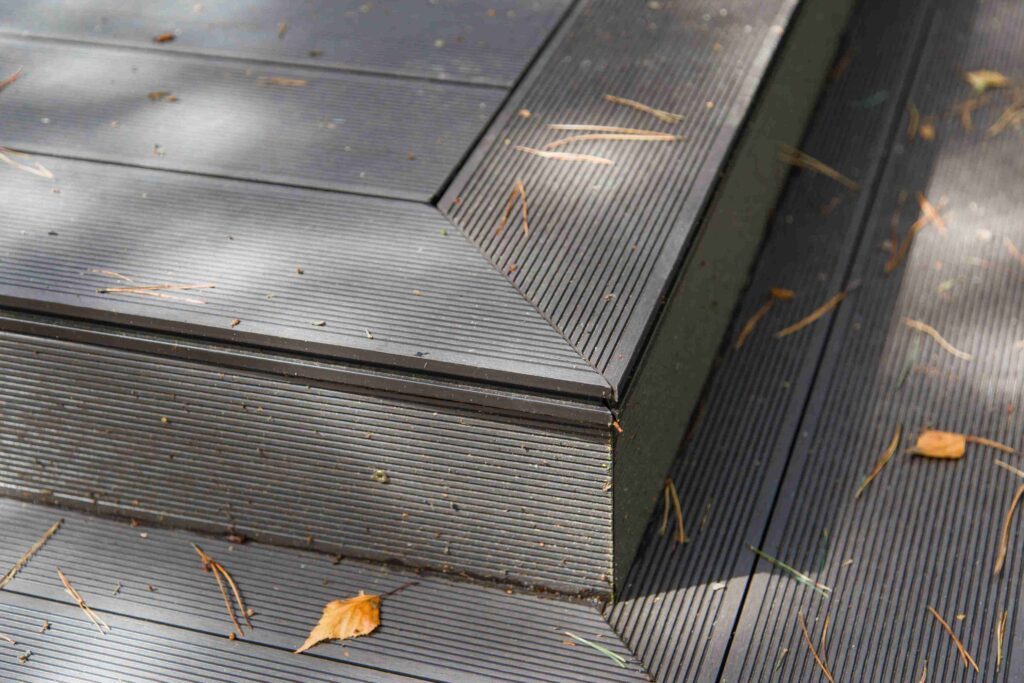
Trex Deck Issues

 And it’s not just UV rays that cause trouble – food, drinks, sunscreen, and pollen can all leave behind spots or stains that mess with the color.

If you’re dreaming of a deck that looks freshly installed forever, just know that Trex still ages a bit just like everything else outdoors.

Also Check Out Our: Twin Cities Deck Building Services

#2. Mold, Mildew, And Stains

Trex decking may be called “low maintenance,” but that doesn’t mean “no maintenance.” 

One issue people don’t always see coming is mold and mildew buildup, especially in damp or shady spots. Since Trex contains wood fibers, it can still feed mold under the right conditions.

You’ll usually find it:

  • Under flower pots
  • Near downspouts or gutter drips
  • Between boards where leaves and debris settle

Even though the surface doesn’t absorb moisture the way wood does, stuff can still grow on top or in tiny crevices. A little soap and water can help, but it takes regular cleaning to stay ahead.

And if you let it sit too long, the green or black stains can be a pain to get out completely.

#3. Scratching And Surface Wear

Trex is tough, but not invincible. 

Scratches are definitely possible. Dragging furniture across it? That’ll probably leave marks. Dropping tools or pushing something heavy across the surface? Same deal.

The lighter colors tend to hide scratches better than the darker ones. 

But if your deck is a high-traffic zone (pets, kids, parties) expect to see a few scuffs over time. 

Trex doesn’t sand like wood, so if something leaves a deep gouge, you can’t just fix it with a quick sanding. You’re stuck with it, or you’ll need to swap out the board.

Pro tip: Use furniture pads, or just lift instead of dragging.

Also Read: How much does a deck cost in Minnesota?

#4. Heat Retention

Ever tried walking across your Trex deck barefoot in the middle of July? 

If so, you already know how hot it can get. Composite decking, especially in darker shades, gets really warm under the sun. Sometimes even hotter than wood.

This can be a major downside if you live somewhere sunny and love going barefoot outside. 

People with dogs especially complain about it because their pets don’t want to walk on it in the summer heat. And once that heat builds up, it stays warm for a while.

Here are some ways to deal with this:

  • Choose a lighter color board if possible
  • Add a rug or shade canopy
  • Hose it down before walking on it

It’s not a dealbreaker, but it’s definitely something to think about if you’re designing a pool deck or wide-open patio.

#5. It’s Expensive

No way around it – Trex costs more than wood. Plus, you’re going to pay quite a bit more for materials and probably a bit more for installation, too.

Now, to be fair, Trex pays off long-term by cutting down on maintenance costs. You won’t need to stain it every year or worry about termites. 

Composite Decking Problems

But for some homeowners, the higher price doesn’t feel totally worth it, especially if they run into any of the other issues mentioned here.

You also can’t forget about the cost of add-ons. Hidden fasteners, fascia boards, matching railings – it all adds up fast. 

If you’re planning on going full Trex, make sure the budget can handle it.

#6. Expansion And Contraction

Composite decking doesn’t just sit still. It moves

Temperature swings can cause Trex boards to expand or contract. This is totally normal, but it can lead to some annoying issues if not installed properly.

You might see:

  • Small gaps appear or close up depending on the weather
  • Boards slightly shift out of alignment
  • Fasteners loosen over time

That’s why proper spacing and installation are so important with Trex. 

If a contractor doesn’t leave enough room for the boards to move, things can start to warp, twist, or buckle. Even when installed correctly, you might still notice a little shifting with the seasons.

#7. Chalking Or Flaking (Rare)

This one doesn’t happen often, but when it does, it’s super frustrating. 

Some people report a chalky white film or light flaking on the surface of their deck. This usually happens with older Trex models or when someone uses a harsh cleaner not meant for composites.

It’s cosmetic, but it makes the deck look weathered or dusty no matter how much you clean. 

Trex says this kind of issue shouldn’t happen with their newer boards, and that’s mostly true. Still, if you’re cleaning your deck, stick with approved products just to be safe.

Also Read: 8 Reasons Why James Hardie Siding Is Worth It

#8. Difficult Repairs

This might be the most frustrating Trex decking problem of all. 

If a Trex board gets damaged (cracked, warped, or deeply scratched) there’s no easy fix. You can’t sand it, stain it, or repair it like you would with wood. 

The only real solution is to replace the board.

And that’s easier said than done. By the time you’re swapping out a damaged board, your deck has probably aged a bit. That means the new board won’t match the old ones. 

This happens even if it’s technically the same product and color, because sun and weather exposure will have changed the original color.

So now you’ve got a shiny new plank in the middle of your faded deck. And unless you’re willing to replace more boards or rearrange them, it’ll probably stand out.

Why Trex Decks Are Still Great Despite These Problems

Trex is still one of the most popular decking choices for a reason. It has plenty of strengths that keep people coming back, even with a few quirks.

For starters, you don’t have to stain, seal, or paint it. That alone saves a ton of time (and money) year after year. Wood might be cheaper upfront, but by the time you’ve pressure washed, sanded, and stained it three times, you’re wishing you’d gone composite from the start.

Trex also doesn’t rot. It won’t attract termites or splinter like wood. So once it’s in, you can mostly forget about it. Just give it a quick sweep and rinse now and then, and you’re good.

Plus, the newer lines (like Trex Transcend) look really sharp too.

They’ve come a long way from the older stuff. You get realistic wood grain, cool color options, and hidden fasteners that give it a clean, modern finish. If you’re building an outdoor space you want to show off a little, Trex delivers.

So yes, it’s not flawless. But it does a solid job of giving you a beautiful, low-hassle deck that holds up well over time.

Bottom Line

A Trex deck can be a great investment, but it’s not perfect. It can fade. It can scratch. It can grow mold or get hot enough to cook your feet in July. Plus, the price is high, and repairs can be tricky. 

But most of these problems are manageable if you go into it with open eyes.

If you’re expecting a zero-maintenance deck that stays flawless forever, you might feel let down. But if you’re okay with a few quirks, Trex can still be a solid choice. It looks good, lasts a long time, and saves you from sanding and staining every year.

Just keep it clean, treat it gently, and try not to drag your grill across it. That’s a good start.

How Much Does A Deck Cost In Minnesota?

Thinking about adding a deck to your backyard in Minnesota? It’s a great idea!

A deck can totally transform your outdoor space, making it the perfect spot for relaxing, grilling, or entertaining guests.

But before you dive in, you probably want to know what you’re getting into financially.

In this post, we’ll break down how much a deck costs, and what affects the price, so you can plan ahead and avoid surprises. Plus, we’ll also give you a rundown of our deck building prices.

Our Twin Cities’ Deck Building Prices

Check Out Our: Minnesota Deck Building Services

How Much Does A Deck Cost?

A deck will cost somewhere between $7,000 and $25,000 in Minnesota, depending on the size, materials, and layout. 

The bigger and fancier it gets, the more you’ll spend. 

How Much Does A Deck Cost

For example, a small, basic deck using pressure-treated lumber might cost around $7K. A larger one using composite boards with custom stairs and railings could push well over $20K.

Most homeowners end up spending around $30 – $60 per square foot, including both materials and labor.

Here’s a quick cost breakdown to give you a clearer picture:

DeckAvg Cost
Small deck (200 – 400 ft²)$7,000 – $14,000
Mid-size deck (400 – 600 ft²)$14,000 – $25,000+
Large/Complex deck$25,000 – $40,000+
Per‑ft² (total)$30 – $60
DIY material cost$14 – $28
Permits$200 – $500

Factors That Affect The Cost Of Building A Deck

Building a deck in Minnesota is a bigger project than you might think. A lot goes into the process, from design to permits to the materials you pick. 

Let’s go over the biggest factors that can swing the cost one way or the other:

#1. Deck Size

This is obviously the biggest factor that affects how much a deck costs.

A larger deck requires more materials, more labor, and more time to build. If you’re looking at a small 10×10 deck, you’ll pay a lot less than if you want a sprawling 20×30-foot deck.

The bigger the deck, the more everything adds up. 

So if you’re just looking for a small area for a couple of chairs and a grill, you’ll be able to keep costs lower. But if you want a multi-level deck or something that extends across your entire backyard, be prepared for a much higher bill.

Also Read: Trex decking problems

#2. Material Type

Materials are probably the next biggest cost driver. You’ve got a range of options, and each has its price tag. Here’s a quick rundown of your options:

MaterialAvg Cost (per sq ft installed)
Pressure-treated wood$15 – $25
Cedar$25 – $35
Composite (like Trex)$35 – $60+
PVC/Vinyl$40 – $70+

Each material has pros and cons, so your choice will depend on your budget, maintenance preferences, and how long you plan to stay in your home.

#3. Labor Costs

Unless you’re building the deck yourself, labor is a major part of the budget.

Contractors typically charge by the square foot, and that rate depends on the local market rates.

In Minnesota, labor usually runs $15 to $35 per square foot, sometimes more for custom work or complicated layouts.

The cost will also vary depending on the complexity of your deck and the experience of the contractor. A simple rectangular deck is easier to build than something with intricate curves or custom features.

So, keep this in mind when you’re planning your budget.

Also Read: How Much Does Siding Cost In Minnesota?

#4. Design Complexity

The more complex the design, the more it will cost. 

A straightforward, simple deck will cost less than one with custom details, multiple levels, or built-in features like benches, planters, or even a hot tub.

Factors That Affect The Cost Of Building A Deck

If you want a deck that’s more than just a flat platform, you’ll pay more for the design. 

Things like stairs, railings, and unique shapes require more work, and custom features usually come with a higher price tag. 

Plus, if you want a deck that matches the style of your house, a little extra design work might be needed, too.

#5. Foundation And Framing

Minnesota weather means you’ve got to build for durability, especially in the winter. That starts with your foundation. 

In most areas, you’ll need footings dug below the frost line to prevent the deck from shifting or cracking as the ground freezes and thaws. 

That’s more labor, more concrete, and sometimes special equipment.

Sloped yards or rocky soil can add extra headaches. You may need taller posts, additional bracing, or heavy-duty framing materials. Even if you can’t see this part of the deck, it’s doing the heavy lifting – literally. 

And those structural elements don’t come cheap.

#6. Railings And Stairs

Not all decks need railings and stairs, but most do. And those extras aren’t cheap.

Stairs vary depending on the height and style of the deck. A basic set of stairs might be a few hundred bucks. Wrap-around stairs with landings or turns? Now we’re talking thousands.

Railings also vary a ton in price. Pressure-treated wood rails are cheaper. Metal or cable railings look sleek but cost more. Glass panels? Gorgeous, but pricey.

#7. Permits And Inspections

This is something you can’t skip. Decks that are more than a few feet off the ground or attached to your house will usually require a permit. 

Every city or county in Minnesota has its own rules, but most charge $200 to $500

Plus, you’ll likely need to submit drawings or specs, which might require help from a builder or designer.

During the project, an inspector will check to make sure everything meets local codes. This includes footings, railing height, joist spacing, and how the deck is attached to your home. 

It’s all necessary, but it adds some time and cost to the process.

Also Read: Can You Put New Siding Over Old Wood Siding?

#8. Demolition And Site Prep

Got an old, worn-out deck you’re replacing? 

You’ll need to tear it down and haul it away before the new one goes in. That typically costs $5 to $15 per square foot, depending on how big the deck is and how difficult it is to remove.

Even if you’re starting fresh, the yard might need prep work. That could mean grading uneven ground, removing bushes or trees, or clearing rocks. 

And if you’re dealing with tight access (like a fenced yard or narrow side yard), that can slow things down and bump up labor costs too.

Bottom Line

A deck in Minnesota can cost as little as $7,000 or soar past $25,000, depending on size, materials, and all the bells and whistles. 

Most homeowners land in the $10,000 – $15,000 range for a comfortable, mid-size setup.

If you’re trying to keep costs in check, go for a smaller, simpler design with pressure-treated wood. On the other hand, if you want something fancier with all the bells and whistles, be prepared to pay more.

Whatever you choose, just make sure to plan your budget carefully and keep track of all the hidden costs (like permits and site prep).